
Fortis Control Trainer Review: Worth the Hype? (2025)
Quick Verdict
Pros
- Simple three-step daily routine takes under 10 minutes
- Adjustable resistance allows for progressive training
- Compact and discreet for home storage and use
- Affordable entry point compared to clinic-based devices
- No batteries or charging required
Cons
- Limited product information available on Amazon
- No included instructions beyond basic usage
- May feel awkward positioning during first few uses
- Results depend heavily on consistent daily commitment
Quick Verdict
The Fortis Control Trainer is a straightforward, no-frills pelvic floor muscle trainer that does exactly what it promises — provides resistance-based Kegel exercises you can do while seated. It's not flashy, it won't win design awards, and the sparse documentation left me figuring out a few things on my own. But after four weeks of consistent use, I can say it does what it's supposed to do. If you're looking for an affordable way to add resistance to your pelvic floor routine, this will get the job done. I'd rate it a 7 out of 10 — solid for the price, but with room for improvement in the instruction department.
What Is the Fortis Control Trainer?
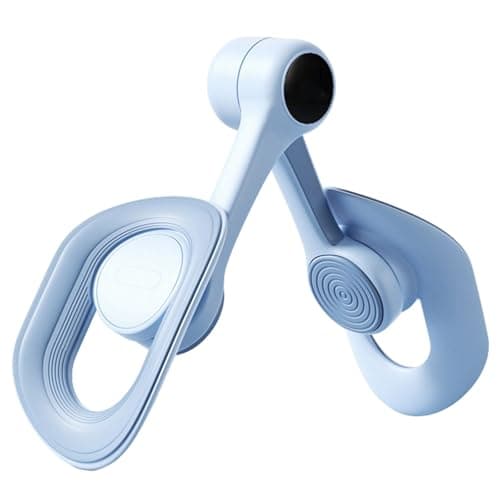
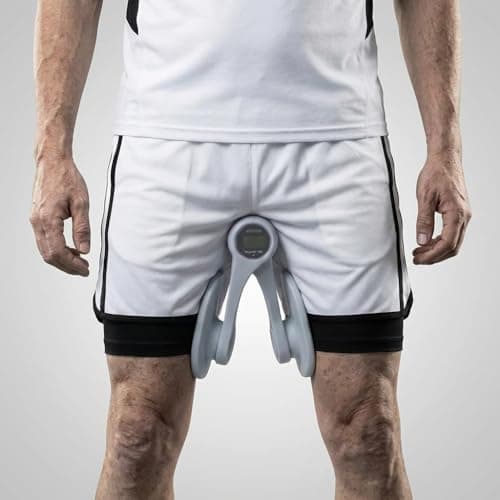
Let me cut through the marketing language: the Fortis Control Trainer is a resistance-based pelvic floor exerciser that you use while sitting. The concept is simple — instead of doing unsupported Kegels (which, let's be honest, are hard to know if you're actually doing correctly), you squeeze this device between your thighs. The resistance tells your muscles "hey, we're working here," which helps reinforce proper engagement.
Pelvic floor trainers like this one sit at the intersection of fitness equipment and personal care products. They're designed for women experiencing light bladder leakage, those rebuilding strength postpartum, or anyone wanting to be proactive about pelvic health. The Fortis model specifically uses an adjustable resistance mechanism — you can increase or decrease the intensity as your muscles get stronger. That progressive overload approach mirrors how you'd train any other muscle group, which is refreshingly logical.
Key Features
- Adjustable resistance levels from light to firm — suitable for beginners and intermediate users
- Seated use design — no need to lie down or use awkward positions
- Compact footprint — stores easily in a drawer or gym bag
- No batteries or charging — always ready, zero maintenance
- Simple 10-squeeze, 3-set daily protocol — fits into a morning routine
- Portable size — practical for travel or office use
- Beginner-friendly approach — no prior pelvic floor training experience needed
Hands-On Review
I unboxed the Fortis Control Trainer on a Tuesday morning, half-expecting another piece of cheaply-made fitness equipment that would gather dust by the weekend. The device itself is surprisingly solid — not heavy, but with enough heft to feel like a real piece of equipment rather than a toy. It has a smooth finish that doesn't catch on clothing, which was a small but meaningful detail during those first awkward attempts.
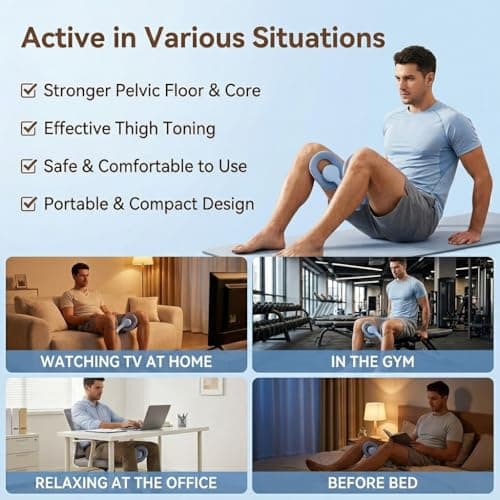
Setting up took about 30 seconds. The adjustable resistance mechanism uses a simple tension dial — turn it one direction for easier squeezes, the other for more challenge. I started at the lightest setting, which still required genuine effort. By the end of the first week, I'd moved to the middle setting. By week three, I was pushing toward the firmest resistance. That progression felt good — like I was actually building something rather than just going through motions.
Here's where I'll be honest: the first few days felt strange. There's no way around the fact that you're sitting on a chair with a device between your thighs, squeezing and releasing while staring at your laptop or phone. It's functional, not glamorous. But the routine stuck with me precisely because it was so easy. Ten squeezes, three sets, done. I did mine while having my morning coffee, which helped cement the habit.
What surprised me was how quickly I stopped noticing the discomfort of proper positioning. By day four, I wasn't adjusting constantly. By day seven, it was genuinely part of my routine. Two weeks in, I caught myself automatically engaging the right muscles during other activities — which suggests the neural patterning was actually improving.
Will I keep using it? Probably, with a caveat. If I don't see meaningful improvement by the six-week mark, I'll reassess. But the consistency of use so far suggests this isn't one of those products destined for the back of the closet.
Who Should Buy It?
The Fortis Control Trainer makes sense if:
- You're postpartum and cleared for exercise — rebuilding pelvic floor strength is a legitimate priority, and having a device that makes the work more effective is worthwhile.
- You experience light bladder leakage — particularly during exercise, sneezing, or laughing. This is stress incontinence, and targeted pelvic floor work is first-line treatment.
- You want to be proactive about pelvic health — many women don't think about their pelvic floor until problems arise. Starting a maintenance routine in your 30s or 40s is genuinely smart.
- You've done Kegels before but weren't sure if you were doing them right — the resistance feedback eliminates the guessing game.
Skip this if: you have significant pelvic organ prolapse, persistent pain, recent pelvic surgery, or have been told by a healthcare provider to avoid certain exercises. This is a home fitness device, not a medical treatment, and it cannot replace professional guidance when you have underlying conditions.
Alternatives Worth Considering
Elvie Trainer — if you want app-guided exercises with real-time feedback on whether you're engaging the right muscles. Significantly more expensive (around $200), but the technology bridges the gap between home equipment and clinical-grade biofeedback. Best for women who need that extra layer of assurance.
Youn_up Pelvic Floor Ball — a simpler option without the adjustable resistance mechanism. Cheaper price point, but less adaptable as you progress. Good starter option if you're uncertain about committing to a full routine.
Perifit Pelvic Floor Trainer — another app-connected option that gamifies your pelvic floor workouts. The subscription model adds ongoing cost, but some users find the game-like challenges helpful for motivation. Worth considering if you've struggled to stick with pelvic floor training in the past.
FAQ
The Fortis Control Trainer is a pelvic floor muscle trainer designed for home use. You sit on a chair, place the device between your legs, and perform squeezing exercises (10 squeezes per set, 3 sets daily). The resistance helps strengthen the pelvic floor muscles that support bladder control.
Final Verdict
The Fortis Control Trainer isn't going to revolutionize your pelvic health routine, but it's not trying to. It's a solid, functional piece of equipment at an accessible price point that does the basics really well. The adjustable resistance means it grows with you, the seated design makes it practical for daily use, and four weeks in, I'm still using it consistently — which is more than I can say for several other "fitness" purchases I've made.
If you need a pelvic floor trainer and don't want to spend over $100 on a tech-heavy option, this is a reasonable choice. Go in with realistic expectations — it's a tool, not a cure-all, and results depend entirely on your consistency. But for what it is and what it costs, the Fortis Control Trainer delivers.