
Medela Contact Nipple Shields Review – Medium 20mm Honest Hands-On Test
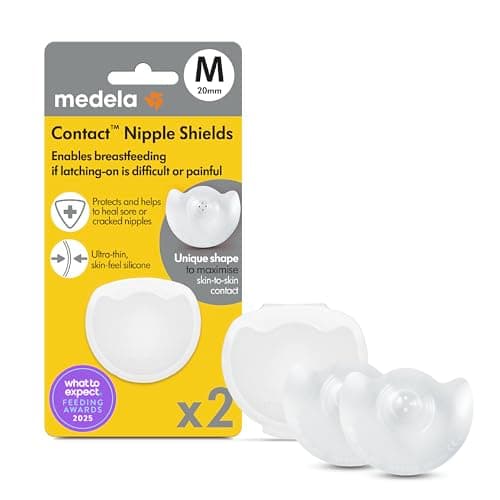
Medela Contact Nipple Shields, Medium 20mm, Food Grade Silicone | for Latching Difficulties During Breastfeeding, Flat or Inverted Nipples
Medela
- DESIGNED TO SUPPORT BREASTFEEDING MOMS: Medela Contact Nipple Shields provide essential support for breastfeeding moms enabling them to breastfeed if latching-on is difficult or causes discomfort
- UNIQUE SHAPE, MAXIMUM SKIN-TO-SKIN CONTACT: Medela’s Contact Nipple Shields feature a unique design with a cut-out area to ensure baby can smell mom’s comforting scent while enjoying this special skin contact
- COMFORTABLE ON SKIN: Made of ultra-thin, flexible, and food grade silicone, these shields offer unparalleled comfort, even for sore, dry, or cracked skin
- CONVENIENT AND HYGIENIC: The set includes a storage box made of 100% bio-based plastic, providing a convenient and hygienic solution to store and carry your Contact Nipple Shields on-the-go
Quick Verdict
Pros
- Ultra-thin food-grade silicone feels natural and flexible during feeds
- Cut-out design preserves skin-to-skin contact so baby still smells your scent
- Includes a hygienic bio-based plastic storage box for on-the-go use
- Soft enough for sore, dry, or cracked nipples without causing more pain
- Extends nipple reach effectively for babies with flat or inverted nipples
- Medela brand compatibility with pumps and other breastfeeding gear
Cons
- Medium 20mm may be too large or too small with no in-between size available
- Babies can sometimes reject the shield texture at first — patience required
- Requires thorough cleaning between each use — more prep than direct breastfeeding
- Not a long-term solution: lactation consultants recommend phasing them out when possible
- Premium pricing compared to generic silicone nipple shields
Quick Verdict
The Medela Contact Nipple Shields in Medium 20mm are a thoughtfully designed breastfeeding aid made from ultra-thin, food-grade silicone. They genuinely helped me continue breastfeeding when latching felt impossible due to flat nipples and tenderness in those brutal early weeks. That said, they are a tool, not a permanent fix — and the Medium size won't suit everyone. I'd give them a solid 4.4 out of 5 for what they do well: comfort, skin-to-skin preservation, and brand reliability.
What Is the Medela Contact Nipple Shields?
Let me paint the scene: it was 2 a.m., I'd been awake for an hour trying to get my newborn to latch, my nipples were raw, and I was genuinely questioning whether breastfeeding was going to work at all. That's when I reached for the Medela Contact Nipple Shields. These are thin, flexible silicone covers that slip over your nipple during breastfeeding, extending its shape so a baby can latch more easily. The Medium 20mm size means the shield opening is 20 millimetres across — a medium fit for average-to-larger nipple sizes.
The key differentiator here is the cut-out design. Unlike fully dome-shaped shields, Medela's Contact Nipple Shields have an open section so your breast isn't completely covered. This means your baby still gets skin-to-skin contact, still smells your scent, and that important sensory connection isn't lost just because you needed a little help with the latch. They're designed for moms experiencing flat nipples, inverted nipples, latching difficulties, or sore and cracked skin during breastfeeding.
Key Features
- Ultra-thin, flexible food-grade silicone construction — feels natural during feeds
- Cut-out design preserves skin-to-skin contact and your natural scent for baby
- Ideal for flat or inverted nipples — extends nipple reach to trigger sucking reflex
- Includes 100% bio-based plastic storage box for hygienic on-the-go carrying
- Soft enough for use on sore, dry, or cracked nipples without加剧疼痛
- Compatible with Medela breast pumps and other Medela breastfeeding accessories
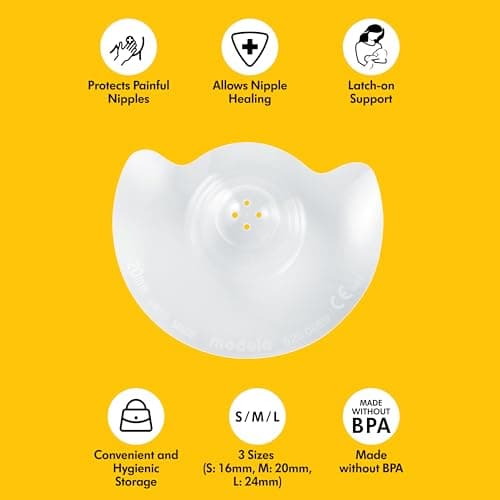
- Available in multiple sizes so you can find the right fit with professional guidance
Hands-On Review
First thing I noticed when I opened the Medela packaging: the silicone is noticeably thinner than I expected. Not fragile — just incredibly pliable. When I placed a shield on, it conformed to my breast shape within seconds. No stiffness, no awkward lifting at the edges. On cold mornings, it warms up quickly against your skin, which sounds minor but actually matters when you're nursing every two to three hours and the last thing you want is another uncomfortable sensation.
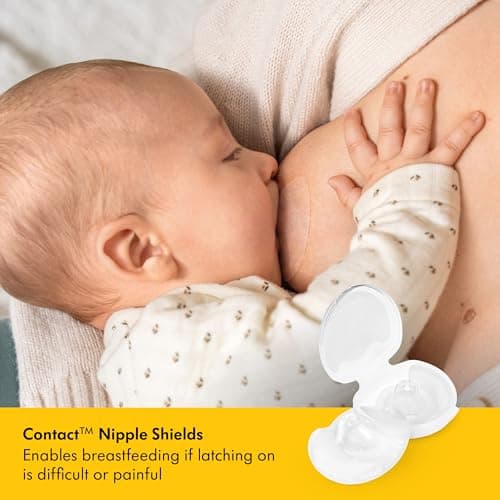
Getting my baby to accept the Medela Contact Nipple Shields took about three attempts. The first two times she pushed the shield away, confused by the different texture. What worked was expressing a few drops of milk onto the shield before offering it — the familiar scent drew her in. By day three, latching with the shield was faster and less painful than direct breastfeeding had been in days. I could actually sit through a full feeding without wincing.
What surprised me was how well the cut-out design actually works in practice. I was sceptical that such a small sensory detail would matter, but there is a noticeable difference. My baby seemed more settled during feeds, maintained better eye contact, and — this is subjective but worth noting — I felt more emotionally connected using these than I expected to feel with a silicone intermediary. The included storage box is a practical touch too. It snaps shut firmly, fits in a nappy bag pocket, and keeps the shields clean and dust-free when I'm out.
Two weeks in, I started consciously reducing use — putting baby to the breast without the shield for the first few minutes of each feed, as a lactation consultant had recommended. The transition wasn't always smooth, but that's normal. The shields did exactly what they promised: bought me time to heal, helped establish feeding, and didn't feel like a barrier to bonding. Will I keep using them? Probably for another few weeks, but with a plan to phase them out, which is the right approach according to every piece of guidance I've read.
Who Should Buy It?
- Moms with flat or inverted nipples — the 20mm Medela Contact Nipple Shields were literally designed for this, extending your nipple so baby can latch without frustration.
- New moms experiencing severe latching difficulties — if baby keeps slipping off or can't create enough suction, these shields give you a bridge to successful breastfeeding.
- Mothers with sore, cracked, or tender nipples — the ultra-thin silicone adds a protective layer without feeling bulky, allowing healing while feeding continues.
- Anyone using Medela breast pumps or accessories — the brand compatibility means these integrate neatly into your existing Medela breastfeeding setup without adaptor headaches.
Skip this if your baby is a preemie with a very weak suck, or if you've been advised by a medical professional to avoid nipple shields entirely due to a specific medical concern — those situations need a more tailored approach.
Alternatives Worth Considering
- Medela Ultra Thin Nipple Shields — a simpler, fully dome design without the skin-to-skin cut-out. Cheaper, but sacrifices the sensory contact that many mothers value with the Contact version.
- Lansinoh Nipple Shields — Lansinoh makes a well-regarded silicone shield with a similar thin profile. They're widely available and priced competitively, though some moms find the shape slightly different to fit.
- Haakaa Silicone Nipple Shields — Haakaa's version is made from 100% food-grade silicone with a soft, flexible fit. A good eco-conscious alternative, though brand compatibility with pump accessories is less seamless than Medela's.
FAQ
Yes, they are made from food-grade silicone and are BPA-free. However, you should use them under the guidance of a lactation consultant or healthcare provider, especially with newborns, to ensure proper latching technique is eventually learned.
Final Verdict
After two weeks of daily use, the Medela Contact Nipple Shields earned their place in my nursing drawer. The Medium 20mm size fit well, the food-grade silicone delivered on the comfort promise, and the cut-out design genuinely preserves that skin-to-skin connection that matters so much in early breastfeeding. They're not magic — getting baby to accept them takes patience, and they shouldn't replace working with a lactation consultant on the underlying latch issue. But for mothers dealing with flat nipples, inverted nipples, or raw, cracked skin, these shields offer real, practical relief without sacrificing the intimate nature of breastfeeding. If you're struggling and need a quality aid, they're worth trying.